





First Impressions And The Shape Of A Session
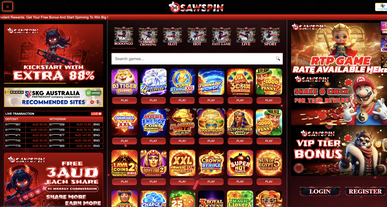
The first thing many players notice is not the game list. It is pace. You open the homepage, look for the account button, scan the menu, and try to work out whether the platform is built for actual use or just for noise. Suppose you check it during a coffee break in Melbourne and only have ten minutes. That short test already tells you a lot about whether the layout respects your time.
And that is where a casino either settles you down or starts to irritate you. A useful platform lets you move from the front page to the lobby, from the lobby to the cashier, and from the cashier back to the profile area without second-guessing each click. Not flashy. Just clear. Players remember that more than any animated banner.
For Australian users, that first session often starts with simple questions. Can you find the categories quickly. Does the site explain core actions in plain English. Does the account area look tidy enough to use without stress. Those little signals create trust before any deposit or game round even enters the picture.
Why Small Details Matter On Arrival
A clean arrival matters because real players do not explore like reviewers. They jump in between errands, after work, or late at night when they are tired. If the menu already feels messy, frustration starts early. Suppose you open the site on a phone while waiting for a train and want to find one slot, check the balance area, and move on. Small details suddenly become the whole experience.
Menu Flow During A Real Visit
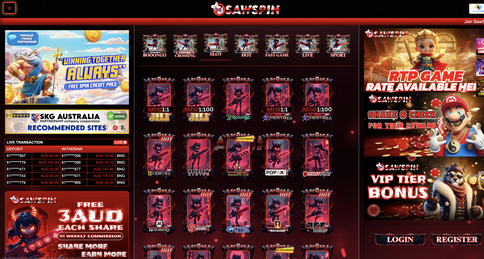
A smooth menu is less about beauty and more about memory. You should be able to enter one section, back out, switch categories, and still know where you are. If the structure keeps shifting, the session feels heavier than it needs to.
Say you are on the couch after dinner and want a relaxed twenty-minute look around. You open the main lobby, tap a category, leave it, check another one, then return to the main menu. That rhythm should feel natural. When it does, the platform starts feeling mature. When it does not, even good game variety becomes harder to enjoy.
What Sawspin Reviews Trustpilot Readers Often Notice
Public opinion can help, but only if you read it without getting carried away by dramatic wording. One angry post written right after a bad session rarely gives you the full picture. One glowing comment posted after a lucky streak does not tell you much either. The useful part is repetition. If different people describe the same friction in different words, there is probably something there.
Suppose you are comparing a few platforms on a Sunday and do not want empty marketing language. Look for overlap. Are people talking about confusing payment messages. Are they mentioning a slow route to support. Are they saying the mobile layout feels cramped. Those are concrete patterns, and concrete patterns matter more than loud praise.
Another thing gets missed all the time. Context. Some people play only on desktop. Some use older phones with limited storage. Some have weak signal and blame the platform for every stalled page. So you have to filter comments through real-life conditions. Not every complaint is a platform flaw. Not every compliment means smooth long-term use.
And still, public feedback has value. It can point you toward the right tests. Instead of trusting a headline opinion, you use it as a checklist. Open the platform, explore the account pages, inspect the cashier, and judge the flow for yourself. That is a better habit in 2026 than leaning too hard on any single opinion source.
Payments, Records, And Cashier Routine
The cashier is where the glossy part ends. A money page either feels clear or it does not. You enter an amount, confirm the step, wait for the response, and then check whether the record appears exactly where you expect. Suppose you make a modest deposit during a short evening session in Brisbane. If the path is steady and the history updates cleanly, confidence rises fast.
Good cashier design is quiet. It does not force you to guess. It shows the amount, the method, the current state, and the recent record in one place or in a very short path. That simplicity matters because money actions already create enough tension on their own.
Area | What To Check | Why It Matters |
|---|---|---|
Deposit Page | Clear amount field and visible confirmation step | Helps avoid input mistakes |
Request Status | Plain wording after a payout request | Reduces guesswork |
History Section | Amount, time, and current state together | Makes tracking easier |
Limit Tools | Easy access from profile or cashier | Supports better control |
Help Route | Direct path from money pages to support | Saves time when something feels off |
Deposit Steps During A Short Evening Session
Deposit flow should not feel like a puzzle. You open the cashier, choose a method, type the amount, confirm, and then move on. Suppose you are logging in after work and only want a short session before bed. If that routine already feels clumsy, the platform starts losing credibility before the actual play begins.
Payout Tracking Without Guesswork
Payouts create more emotion than deposits, so the wording around them has to stay calm and readable. Suppose you submit a request, refresh the page once, and then feel unsure whether the action actually registered. That uncertainty is where trust starts to slip.
A stronger platform makes the history page do the heavy lifting. It should show the request, show the current state, and let you leave the page without feeling the need to tap around again and again. Players do better when the site reduces panic instead of feeding it.
Mobile Use When Life Gets Busy
Mobile play is the real stress test. On a laptop, people forgive extra space, extra scrolling, and even slightly awkward menus. On a phone, every extra move stands out. Suppose you open the platform while waiting outside a shop and only want to check balance history, look at one category, and maybe open a game for a few minutes. The whole visit depends on whether the mobile layout stays stable.
That stability is not just about speed. It is about button placement, text size, and whether the page keeps its shape when signal drops for a moment. If the site jumps around or hides key actions behind clutter, the problem feels bigger on mobile than on desktop.
And mobile comfort is not only for quick spins. Some players use their phones as the main device. They manage deposits, check support, review limits, and track account activity from the same small screen. That means the platform has to support ordinary use, not just look decent in screenshots.
Where The Phone Experience Helps Most
Phone use works best when the platform remembers what players actually do in short bursts. They search, they check balance, they open one title, they leave, then they come back later. Suppose you return during a lunch break and want to resume where you stopped the night before. Quick access to recent activity, categories, and profile tools matters more than giant banners ever will.
Limits, Support, And Better Control
The strongest platforms are not only easy to use when things go well. They are also easy to manage when you need to slow down. That includes session limits, deposit controls, break tools, and a clear route to help. Suppose you notice that you are no longer choosing games calmly and are just reacting to the last result. In that moment, structure matters more than entertainment.
A lot of players wait too long to use control tools. They tell themselves they will set boundaries later, after one more session or one more deposit. But later usually comes after the mood has already changed. A more sensible routine is to check the profile settings first, decide the session length, then enter the lobby with a plan instead of improvising everything.
Support works the same way. The best help routes are visible before you need them. You should know where the contact option is, what kind of issue it covers, and whether the site explains common account questions clearly enough to solve a simple problem without friction.
Suppose a payment page feels odd or a record does not look the way you expected. A calm player will first review the history area, then check the help section, then contact support if the page still feels unclear. That sequence saves time. It also keeps the problem small instead of turning it into a guessing game.
And there is a more practical layer here. Good support tone matters. Short, plain responses beat long template replies that avoid the question. Players can accept waiting or procedure when the steps make sense. What they do not accept well is foggy wording. Clear language lowers tension. That alone makes a difference.
Practical Ways To Pause Or Step Back
The safest sessions are the ones that already have an ending. Suppose you start with a budget, a rough time limit, and a plan to log out when either one is reached. That decision removes a lot of emotional noise from the session. Boundaries feel less dramatic when they are set early and treated as routine.
Getting Help When A Step Feels Off
Help should feel like part of the platform, not a punishment for getting stuck. You open the support area, scan the options, describe the issue, and move on. If that process already feels exhausting, the site adds pressure at the exact moment it should reduce it.
Picture a late-night session where a transaction message looks vague and you are not sure what just happened. In that situation, players need calm instructions, not generic filler. A good support path keeps the next step obvious. That can turn a tense moment into a manageable one.
Who This Platform May Suit Best In 2026
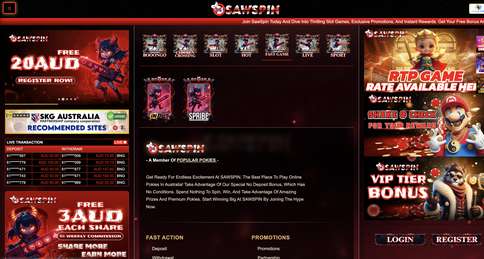
This kind of platform will likely suit players who care more about structure than spectacle. Not everyone wants a giant, noisy interface with endless distractions. Some people want a cleaner route: account, cashier, category, game, history, support, done. Suppose you are the kind of player who values that order. Then the real question is not whether the brand feels loud enough. It is whether the flow feels usable enough.
And that is the smarter way to judge a casino in Australia in 2026. Test the routine, not the promise. Check the menu, not the slogans. Review the money path, the profile tools, the mobile layout, and the support route before deciding how much trust the platform deserves. Quiet details decide more than most players expect.